Post-Extraction Pain Management: A Complete Guide to Comfort
Written & Researched By
Editorial Team · product research desk
Sources: ADA guidelines, Mayo Clinic, PubMed, peer-reviewed dental literature
Published: March 31, 2026
Short answer: The best approach to post-extraction pain management combines timed medication, cold therapy for the first 48 hours, a soft food diet, head elevation during sleep, and jaw rest. Most pain resolves within 3 to 7 days for simple extractions and 7 to 14 days for wisdom teeth removal.
Pain after tooth extraction is your body’s normal inflammatory response to tissue trauma. The goal isn’t to eliminate pain entirely — it’s to keep it manageable so you can rest, eat, and heal comfortably.
The 5-Part Pain Management System
1. Medication Timing (Most Important)
The single most effective pain management strategy is staying ahead of the pain rather than chasing it once it becomes severe.
How to time it right:
- Take your first dose of pain medication before the anesthesia wears off (usually 2 to 4 hours after extraction)
- Set phone alarms for every subsequent dose based on the medication interval
- Don’t skip doses during the first 48 hours, even if pain feels mild — keeping a consistent level of medication in your system prevents pain from escalating
Common over-the-counter options:
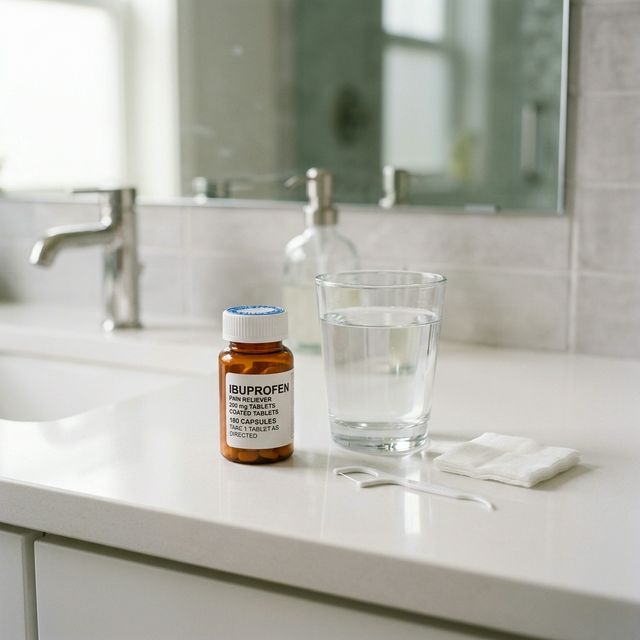
- Ibuprofen (Advil, Motrin): Anti-inflammatory + pain relief. Take as directed on the packaging or by your dentist. Reduces both pain and swelling — making it particularly effective for extraction recovery.
- Acetaminophen (Tylenol): Pain relief without anti-inflammatory properties. Take as directed on the packaging. Can be combined with ibuprofen (alternating schedule) for stronger coverage, ask your dentist about the best rotation for your situation.
If prescribed stronger medication: Use it only as needed and transition to OTC options as soon as your pain allows. Prescription pain medication can cause drowsiness, constipation, and reduced focus.
Always follow your dentist’s or doctor’s specific instructions for dosing and timing.
2. Cold Therapy (Days 1–2)
Cold therapy is one of the most effective non-medication tools for reducing swelling and numbing discomfort during the acute phase.
How to apply:
- Use an ice pack or gel wrap like the REVIX jaw ice wrap against the outside of your jaw
- 20 minutes on, 20 minutes off, repeat throughout the day
- Always place a thin cloth between the ice pack and your skin to prevent ice burn
- Start as soon as you get home from the extraction
After 48 hours: Switch from cold to warm moist heat. Warm compresses increase blood flow, which helps resolve remaining swelling and promotes healing.
3. Soft Food Diet
Eating the wrong foods causes unnecessary pain and can damage the extraction site. For the first 3 to 7 days, stick to foods that require minimal chewing:
Best options:
- Smoothies and protein shakes (no straw, use a cup)
- Yogurt, pudding, and applesauce
- Mashed potatoes or sweet potatoes
- Scrambled eggs
- Puréed soups at room temperature or slightly warm
- Oatmeal (smooth, not chunky)
Foods to avoid:
- Anything crunchy (chips, nuts, raw vegetables)
- Chewy foods (steak, crusty bread, gummy candy)
- Spicy foods (can irritate the wound)
- Very hot liquids (can dissolve the blood clot)
- Acidic foods (tomato sauce, citrus) may sting
For a complete guide, see our 7-day soft food meal plan and best blenders for recovery meals.
4. Sleep Position (Head Elevation)
Lying flat increases blood flow to the extraction area, causing more swelling and throbbing, especially during the first 2 to 3 nights.
How to raise your head:
- Use a wedge pillow or stack 2 to 3 regular pillows
- Aim for 25 to 45-degree elevation
- Sleep on your back if possible
- If side sleeping, choose the side opposite the extraction
For detailed guidance, see our sleep positions for jaw pain guide.
5. Jaw Rest
Your jaw has been through a procedure, treat it like you’d treat any other muscle injury:
- Avoid opening your mouth wide for 5 to 7 days
- Minimize unnecessary talking during the first 2 days
- Don’t chew gum
- Let your jaw rest in the natural position: lips together, teeth apart, tongue on the roof of your mouth
Day-by-Day Pain Expectations
| Day | Expected Pain Level | Management Priority |
|---|---|---|
| Day 0 | Moderate (anesthesia wearing off) | Start medication early, ice |
| Day 1 | Moderate to high | Cold therapy + medication on schedule |
| Day 2 | Peak discomfort | Continue cold + meds, soft food only |
| Day 3 | Beginning to improve | Switch to warm compresses if approved |
| Days 4–5 | Mild to moderate | May reduce medication frequency |
| Days 5–7 | Mild | Most people comfortable for daily activities |
| Week 2 | Minimal (wisdom teeth) | Transition to normal activities |
For a detailed recovery breakdown, see our day-by-day recovery timeline.
When Pain Is Not Normal
Some pain patterns signal that something needs attention:
- Pain that worsens after day 3 instead of improving → possible dry socket
- Throbbing pain with swelling that increases after day 3 → possible infection
- Pain medication providing no relief at recommended doses → call your dentist
- Fever above 101°F (38.3°C) → contact your provider same-day
- Pain radiating to ear, eye, or temple → may indicate dry socket or nerve involvement
Supplementary Pain Management
These additional approaches can complement your core pain management plan:
Warm salt water rinses (after 24 hours): Gently rinse with 1/2 teaspoon salt in 8 ounces of warm water, 2 to 4 times daily after meals. This reduces bacterial load and promotes healing. See our oral rinse guide for more options.
Stress reduction: Stress increases jaw clenching and pain sensitivity. Practice the “lips together, teeth apart” technique and deep breathing exercises.
Hydration: Dehydration worsens inflammation and makes pain medication less effective. Aim to drink water consistently throughout the day.
Key Takeaway
Effective pain management is a system, not a single fix. Combine timed medication, cold therapy, soft foods, improved sleep, and jaw rest for the best results. Stay ahead of the pain rather than reacting to it, and don’t hesitate to call your dentist if your pain pattern doesn’t match the expected improvement curve.
Written and researched by the editorial team. Sources: ADA guidelines, Mayo Clinic, peer-reviewed dental literature.