How Stress Affects Jaw Pain After Tooth Extraction
Written & Researched By
Editorial Team · product research desk
Sources: ADA guidelines, Mayo Clinic, PubMed, peer-reviewed dental literature
Published: March 31, 2026
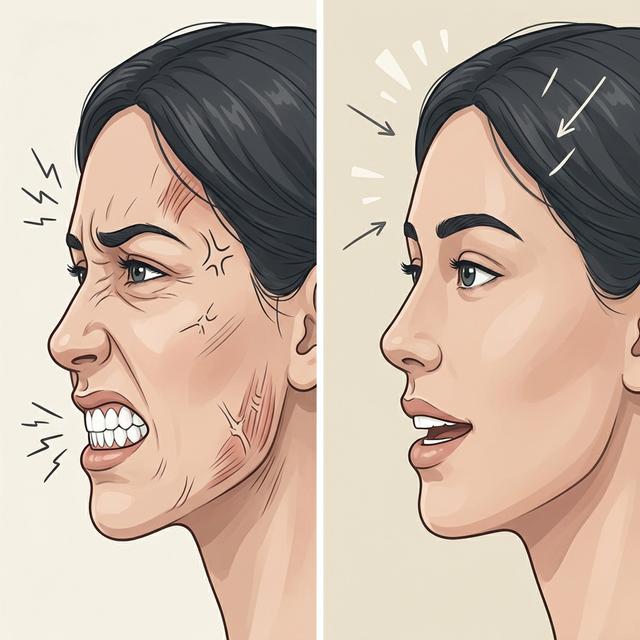
Short answer: Stress doesn’t just feel bad — it physically worsens jaw pain after extraction. Stress triggers jaw clenching (bruxism), increases muscle tension, improves inflammation, and makes your nervous system more sensitive to pain signals. Managing stress is a legitimate part of your recovery plan, not just a nice-to-have.
If you’ve noticed that your jaw pain gets worse during stressful moments — tight deadlines, sleepless nights, or anxiety about the extraction site — that’s not coincidental. Your stress response directly affects the muscles, nerves, and healing processes in your jaw area.
How Stress Worsens Post-Extraction Jaw Pain
Jaw Clenching and Grinding (Bruxism)
Stress is the leading trigger for bruxism, the unconscious clenching or grinding of teeth. According to the Journal of Oral Rehabilitation, up to 70% of bruxism cases are stress-related.
After an extraction, clenching puts pressure on:
- The extraction site, which can disrupt healing tissue
- The TMJ (jaw joint), which is already stressed from the procedure
- The surrounding muscles (masseter, temporalis), which may be sore from holding your mouth open during extraction
Many people clench without realizing it, especially during sleep or focused activities like working at a computer. Post-extraction, this unconscious habit can significantly increase your pain levels.
Elevated Inflammation
When you’re stressed, your body releases cortisol and other stress hormones. While cortisol is anti-inflammatory in acute bursts, chronic stress actually increases systemic inflammation. Research published in Brain, Behavior, and Immunity demonstrates that psychological stress delays wound healing by 25% to 40% compared to low-stress conditions.
For an extraction site that needs inflammation to decrease for healing to progress, chronic stress works against you.
Increased Pain Sensitivity
Stress lowers your pain threshold, a well-documented phenomenon called stress-induced hyperalgesia. The same level of discomfort at your extraction site feels more intense when you’re anxious, sleep-deprived, or overwhelmed.
This creates a feedback loop: stress increases pain → pain increases stress → more pain → more stress. Breaking this cycle is essential for comfortable recovery.
Disrupted Sleep
Stress and poor sleep are closely linked, and sleep is when your body performs its most intensive healing. If stress keeps you awake or reduces your sleep quality, your extraction site heals more slowly, your pain tolerance drops, and you feel worse the next day.
See our sleep positions guide for tips on getting better rest during recovery.
Signs Stress Is Affecting Your Recovery
Watch for these indicators:
- Jaw tightness or soreness beyond what’s expected from the extraction alone
- Headaches, especially tension headaches originating from the temples or jaw muscles
- Waking up with a sore jaw, a classic sign of nighttime clenching
- Difficulty relaxing your jaw, your teeth stay clenched unless you consciously release them
- Taking more pain medication than expected based on the extraction complexity
- Extraction pain that plateaus instead of steadily improving
Practical Stress Management for Recovery
These approaches are evidence-based and specifically relevant to jaw-related stress during extraction recovery:
1. Jaw Relaxation Technique (The “Lips Together, Teeth Apart” Method)
This is the simplest and most effective anti-clenching technique:
- Close your lips gently
- Let your teeth separate, your upper and lower teeth should not be touching
- Rest your tongue on the roof of your mouth, just behind your front teeth
- Let your jaw muscles soften and release
Practice this position whenever you think of it throughout the day. Set hourly phone reminders if needed. This position is your jaw’s natural resting state, teach yourself to return to it.
2. Progressive Muscle Relaxation (PMR)
A technique where you systematically tense and release muscle groups throughout your body. For jaw pain specifically:
- Start by scrunching your shoulders up toward your ears, hold 5 seconds, release
- Clench your fists, hold 5 seconds, release
- Gently (very gently) press your teeth together, hold 2 seconds, release completely
- Notice the difference between tension and relaxation in your jaw
- Breathe slowly and let the relaxation spread
Do this 2 to 3 times daily, especially before sleep. Sessions take 5 to 10 minutes.
3. Breathing Exercises
Slow, controlled breathing activates your parasympathetic nervous system, the “rest and heal” mode. Try this pattern:
- Breathe in slowly through your nose for 4 counts
- Hold for 4 counts
- Breathe out slowly through your mouth for 6 counts
- Repeat 5 to 10 times
This technique can lower heart rate, reduce muscle tension, and decrease pain perception within minutes. Use it before bed, during work breaks, or whenever you notice jaw tightening.
4. Warm Compresses on the Jaw
Warm, moist heat relaxes tense jaw muscles. After the first 48 hours of cold therapy:
- Apply a warm, damp washcloth to the sides of your jaw (over the masseter muscles) for 15 to 20 minutes
- Do this 2 to 3 times daily
- Combine with the jaw relaxation technique for maximum effect
5. Reduce Stimulation
During the acute recovery phase (first 3 to 5 days):
- Minimize screen time before bed
- Reduce caffeine intake, caffeine increases muscle tension and can worsen clenching
- Limit exposure to stressful news, social media, or conflict
- Delegate stressful tasks if possible, this isn’t forever, just a few days
6. Movement
Light physical activity naturally reduces stress hormones and releases muscle tension. Even a 10 to 15 minute walk helps. See our exercise after extraction guide for what’s safe at each recovery stage.
When to Talk to Your Dentist About Stress-Related Jaw Pain
Contact your dentist if:
- You suspect you’re clenching or grinding at night, they may recommend a nightguard
- Your jaw pain is significantly worse than expected for your type of extraction
- You’re experiencing jaw clicking or locking along with stress-related tension
- TMJ-area pain persists more than 2 weeks after extraction
- You’re having difficulty opening your mouth fully
Your dentist can evaluate whether the jaw pain is extraction-related, stress-related (TMJ), or a combination, and recommend appropriate treatment.
Key Takeaway
Stress management is a medical-grade recovery tool, not just a wellness bonus. Chronic stress delays healing, amplifies pain, and promotes the jaw clenching that makes post-extraction recovery harder. The “lips together, teeth apart” technique, breathing exercises, and warm compresses take minutes a day and can meaningfully improve your comfort and healing speed. Give your jaw permission to relax.
Written and researched by the editorial team. Sources: ADA guidelines, Mayo Clinic, peer-reviewed dental literature.
Sources: Journal of Oral Rehabilitation; Brain, Behavior, and Immunity; National Institute of Dental and Craniofacial Research.