Can You Drink Coffee After Tooth Extraction? Timeline and Tips
Written & Researched By
Editorial Team · product research desk
Sources: ADA guidelines, Mayo Clinic, PubMed, peer-reviewed dental literature
Published: May 26, 2026
Short answer: Wait at least 24 to 48 hours before drinking coffee after a tooth extraction. Hot beverages can dissolve the blood clot forming in your socket, increase bleeding, and raise your risk of dry socket — the most common and painful complication after extraction.
If you rely on coffee to function (and most of us do), losing access to your morning cup feels like a punishment on top of a procedure you already weren’t thrilled about. The good news: the restriction is temporary, and there are ways to get through those first days without suffering through caffeine withdrawal on top of everything else.
This page is the coffee-only timing guide. The combined drinks table is Can You Drink Coffee or Alcohol After Tooth Extraction?. Alcohol wait-and-why notes are in Alcohol After Tooth Extraction.
Why Coffee Is a Problem After Extraction
The issue with coffee after a tooth extraction comes down to three factors: heat, caffeine, and acidity.
Heat Dissolves Blood Clots
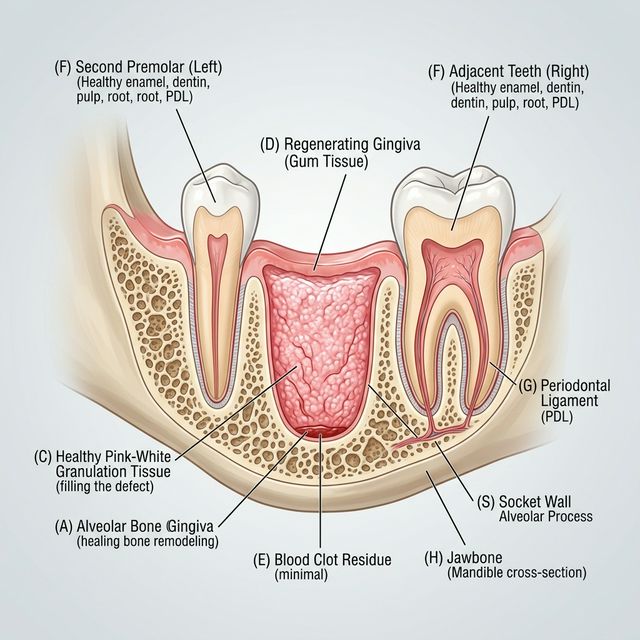
The blood clot that forms in your extraction socket is your body’s first line of defense. It covers the exposed bone and nerves, creating a biological bandage that allows healing tissue to grow underneath. Hot liquids — coffee included — can dissolve or dislodge this fragile clot during the first 24 to 48 hours when it’s least stable.
Once the clot is gone, you’re looking at dry socket, which causes intense, radiating pain that typically starts 3 to 5 days after extraction and requires a trip back to your dentist for a medicated dressing.
Caffeine Raises Blood Pressure
Caffeine is a vasoactive substance. It temporarily increases blood pressure and heart rate, which can promote bleeding at the extraction site. During the first 24 hours, when the clot is still forming and stabilizing, anything that increases blood flow to the area works against you.
This is the same reason dentists tell you to avoid exercise for the first day or two — elevated blood pressure and bleeding risk go hand in hand. Learn more in our guide on bleeding after extraction.
Acidity Irritates the Wound
Coffee has a pH between 4.85 and 5.10, making it mildly acidic. While that acidity won’t damage your teeth under normal circumstances, an open extraction wound is far more sensitive. Acidic liquids can irritate the exposed tissue, cause stinging or burning at the site, and slow down the initial stages of healing.
The Coffee-After-Extraction Timeline
Here’s a practical, day-by-day guide to getting back to your regular coffee routine:
Hours 0–24: No Coffee
This is non-negotiable. Stick to room-temperature or cool water. If you’re concerned about caffeine withdrawal headaches compounding your post-extraction discomfort, talk to your dentist about taking a mild pain reliever that also addresses headaches.
Hours 24–48: Lukewarm Coffee (Maybe)
After the first 24 hours, some dentists give the green light for lukewarm — not hot — coffee. The drink should feel close to body temperature. If it would be too hot to hold comfortably against the inside of your wrist, it’s too hot for your extraction site.
- Sip gently from a cup. Do not use a straw — the suction can dislodge the blood clot.
- Consider diluting your coffee or having it weaker than usual.
- Avoid adding sugar, as it can feed bacteria around the healing site.
Days 3–5: Warm Coffee, Carefully
By day 3, the blood clot is typically more stable and granulation tissue has started forming. You can gradually increase the temperature of your coffee toward warm (still not scalding). Continue sipping from a cup rather than a straw.
Days 5–7: Back to Normal
Most patients can resume their regular coffee routine by day 5 to 7. If you had a more complex extraction, such as an impacted wisdom tooth, your dentist may recommend extending the cautious period.
For a detailed look at what to expect throughout recovery, see our day-by-day recovery guide.
What About Iced Coffee?
Cold brew and iced coffee are often the workaround people reach for, and it’s a reasonable one with some caveats:
After 24 hours, cold or iced coffee is generally safer than hot coffee because you eliminate the heat risk entirely. However, you still need to account for:
- Caffeine effects on blood pressure and bleeding (still present regardless of temperature)
- No straws — drink directly from the cup
- Sugar and cream — keep it simple to avoid feeding bacteria
If you’re going to compromise anywhere during recovery, cold coffee after the first 24 hours is one of the lower-risk options.
Caffeine Withdrawal During Recovery
If you drink multiple cups of coffee daily, going cold turkey can cause withdrawal symptoms that start 12 to 24 hours after your last cup:
- Headache (the most common symptom, affecting up to 50% of regular coffee drinkers according to research in Psychopharmacology)
- Fatigue and drowsiness
- Difficulty concentrating
- Irritability
These symptoms can layer on top of your post-extraction pain and make the first day or two especially rough. Here’s how to manage it:
Talk to your dentist before the procedure. If caffeine withdrawal is a concern, your dentist can factor this into your pain management plan.
Taper your intake before extraction day. If you know the procedure date in advance, gradually reduce your coffee intake over the 3 to 5 days beforehand. Cutting from 4 cups to 2, then to 1, can significantly reduce withdrawal intensity.
Consider caffeine in other forms. Caffeine pills or cold tea may be options your dentist approves after the first 24 hours. Always ask first.
Other Drinks to Avoid (and What to Have Instead)
Coffee isn’t the only beverage that requires caution after extraction:
| Avoid | Why | Safe Alternative |
|---|---|---|
| Hot coffee/tea | Dissolves blood clot | Lukewarm or iced (after 24 hrs) |
| Alcohol | Thins blood, interacts with medications | Water, cold herbal tea |
| Carbonated drinks | Bubbles can dislodge clot | Flat water, milk |
| Acidic juices | Irritates wound | Smoothies (no straw) |
| Drinks with straws | Suction dislodges clot | Sip from cup |
For a complete guide on what you can drink safely, check our article on drinks after tooth extraction.
Special Considerations for Wisdom Teeth
Wisdom tooth extractions — especially impacted ones — typically involve larger wounds and longer recovery times. If you had wisdom teeth removed:
- Extend the no-coffee window to a full 48 hours minimum
- Be more conservative with temperature when you resume
- Watch for signs of dry socket more carefully, as wisdom tooth sites have higher complication rates (up to 30% for impacted teeth)
Signs You Resumed Coffee Too Soon
Contact your dentist if you experience any of these after drinking coffee:
- Fresh bleeding from the extraction site that doesn’t stop with gauze pressure
- Pain that suddenly worsens after days of improvement
- A visible empty socket where you can see bone
- Bad taste or foul odor in your mouth
- Fever above 101°F (38.3°C)
These could indicate dry socket or another complication that needs professional treatment.
Frequently Asked Questions
Can I drink decaf coffee after tooth extraction?
Decaf removes the caffeine concern but not the heat or acidity issues. The same temperature rules apply: wait 24 hours minimum, start lukewarm, and sip from a cup. Decaf is a slightly lower-risk option since it won’t raise blood pressure, but the heat risk remains the primary concern.
Will one sip of hot coffee cause dry socket?
One sip probably won’t cause an immediate problem, but there’s no safe threshold established in clinical research. Dry socket develops from cumulative disruption to the blood clot, and every exposure to heat during the vulnerable first 48 hours adds risk. It’s safer to wait.
Can I drink coffee through a straw to avoid the extraction site?
No. Straws are one of the top risk factors for dry socket regardless of what you’re drinking. The suction force created in your mouth can dislodge the blood clot. Always sip directly from a cup during the first 5 to 7 days.
Is coffee creamer or milk okay to add?
Plain milk or a small amount of creamer is fine once you’re cleared to drink coffee. Avoid heavy sugar additions, as sugar promotes bacterial growth near the healing wound. Keep it simple during the first week.
How long should I wait to drink coffee after a bone graft?
Bone graft procedures require extra caution. Most oral surgeons recommend waiting at least 48 to 72 hours before any coffee, and some advise a full week of avoiding hot beverages. Follow your surgeon’s specific instructions, as bone graft healing is more sensitive than standard extraction recovery.
Key Takeaway
The safest approach is simple: no coffee for 24 hours, lukewarm coffee for the next few days, and back to normal by day 5 to 7. If you can’t tolerate the wait, cold brew after 24 hours is the lowest-risk compromise. The temporary sacrifice protects the blood clot that drives your entire healing process — and avoiding a dry socket is worth a few days without your usual brew.
Written and researched by the editorial team. Sources: ADA guidelines, Mayo Clinic, peer-reviewed dental literature.
Sources: American Dental Association; Psychopharmacology journal; Journal of Oral and Maxillofacial Surgery.